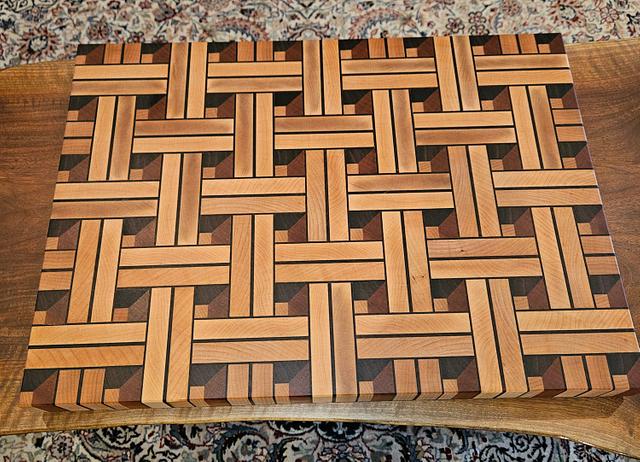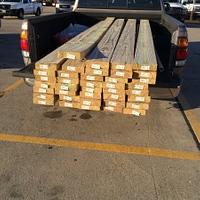

Woodworkers all over the world use different types of wood. The type of wood they choose to work with is based on many factors, including what the project needs and who it's for. There are three main categories of woods used in woodworking- softwoods, hardwoods, and manmade woods. Softwood trees are usually evergreen tree species that have leaves year round so these trees grow quickly. Hardwoods come from deciduous tree species which lose their leaves during winter months so they take much longer to grow but can last a lot longer than softwood trees do. Lastly there are manmade woods that are made by pressing together sawdust or other materials to form sheets or boards that closely resemble natural timber grain patterns and textures.
Difference between softwood and hardwood
There are many types of wood used in the construction of furniture, cabinets, floors and countless other things. However, all wood can be divided into two basic groups: hardwood and softwood.
Hardwoods come from deciduous trees such as oak, maple, walnut and ash whereas softwoods come from coniferous trees such as pine and cedar.
The main difference between hardwoods and softwoods is in how they look when finished - the harder woods tend to be more attractive when their natural color is allowed to show through while most softwoods will appear pale when clear varnish or paint is applied over their natural grain pattern. Also, softer woods generally weigh less than harder woods which means that a bench made from softwood will not be as sturdy and may need to be attached to a wall or heavy framing member.
Of the approximately 600 different species of wood that exist, only about 50 are used regularly by furniture makers. The five most generally available, and therefore the most popular types of wood for carpentry and cabinet work are: pine (used extensively in home building) maple (often stained or painted) poplar (usually stained to resemble oak or mahogany) birch (may be stained almost any color) cherry (especially used in fine furniture).
Softwoods
Cedar - The wood from cedar trees is soft and lightweight. It can be easily worked to a smooth finish, making it appealing for interior decorating. However, it's meant for indoor use only because of its susceptibility to water damage.
Cypress - Cypress also has the same qualities as cedar when it comes to working with it and finishing it. But like cedar, it's best used for indoor projects and even decorative items that won't be exposed to water or humidity changes.
Douglas Fir - Douglas fir can be easily obtained at home centers and lumberyards and is typically very easy to work with because of its softness and straight grain pattern. However, it does need a finish to protect it from moisture because it can be vulnerable to warping and rot.
Hemlock - The wood from hemlock trees is soft and has a straight grain pattern. But like other woods with open pores, such as pine, it should be coated with a finish designed for exterior projects that will come into contact with water or humidity changes.
Pine - The wood of pine trees is soft and lightweight. It works well for indoor projects but is prone to warping, rotting and pitting if not protected with a finish.
Redwood - Redwood also has the same qualities as cedar when it comes to working with it and finishing it (although redwood needs more coats). But like cedar, its best used for interior projects that won't be exposed to water or humidity changes.
Spruce - Spruce can also be easily obtained at home centers and lumberyards. It also has an even straight grain pattern making it very easy work with because of its softness. Spruce should be coated with a finish designed for exterior use since it will come into contact with water or high humidity levels.
Hardwoods
Alder - Alder is a pale-colored wood with straight grain and fine pores. It's lightweight, has little to no figure, and the grain is easily stained. However, it doesn't take paint very well since the cuticles are raised.
American Beech - American Beech is a hardwood with closed pores making it very resistant to water damage, but relatively susceptible to dyes which means finishes may not adhere well or penetrate deeply into the wood leaving it susceptible to absorption instead. It's commonly used for outdoor projects like fence posts because it requires no special treatment for exposure to elements yet holds up better than softer woods over time without rotting away.
Ash - Ash has an open porosity that causes it to easily trap finishes creating unsightly blotches on the surface of the wood. For this reason, ash should be hand-stained or sealed with an exterior finish designed for unfinished wood. Its coarse texture makes it better suited for projects where strength is needed instead of visual aesthetics. It can also be difficult to find furniture made from ash due to its tendency to warp and twist during the drying process.
Birch - Birch is a strong, hard, and heavy wood. It has a uniform texture with a straight grain pattern making it easier to work with than some other hardwoods. Birch also dyes very well because of its uniform color and grain.
Cherry - Cherry is richly colored with an open grain that accepts stain evenly making it one of the most popular choices when finishing furniture. Cherry stains beautifully but does not have the same levels of durability as maple or oak. Its fine pores can be easily stained and provide sharp definition for detailed carvings and moulding details on decorative projects like picture frames and cabinets.
Ebony - Ebony is a very dense, fine-grained wood used primarily in the manufacturing of chess pieces and pool cues because of its ability to withstand wear and chipping. It's also said that ebony provides the best tone for stringed musical instruments.
Mahogany - Mahogany is another type of attractive hardwood that's easy to work with and takes paint well. It's a reddish-brown wood that darkens over time and takes on a deep luster when polished. Like cherry, mahogany works well for projects that will come into contact with water because of its resistance to rotting and warping.
Maple - Maple has closed pores, which reduce its susceptibility to water damage, making it ideal for items like table tops and countertops. Maple is often used for veneers and its fine even texture means fewer sanding marks. It's also a very stable wood so it doesn't expand and contract with seasonal humidity levels like some softwoods making it suitable for indoor furniture.
Oak - Oak is another popular choice when finishing furniture. Its closed pores prevent the penetration of moisture and provide better protection from water damage than most other hardwoods, but this benefit does make it more prone to warping when exposed to high humidity levels.
Pecan - Pecan is an open-grained hardwood that has a light brown color with hints of gray or dark brown streaks throughout which add visual interest to otherwise plain boards. It's lightweight and easy enough to work by hand or with a powered woodworking tool.
Poplar - Poplar is another lightweight hardwood that's easy to work with and cut, but it has large open pores that can be difficult to fill completely. It also tends to change color over time as the sap begins rising exposing unsightly blotches of lighter wood on its surface. For this reason, poplar is best used when painted or stained because it won't show the off-color areas like ash will.
Teak - Teak is an extremely dense wood making it very resistant to water damage and rot; however, due to its density, teak weighs more than many other hardwoods which makes projects made from it awkward and heavy once complete. It's worth mentioning that teak is one of the most expensive hardwoods available in stores making it a poor choice for projects that will show signs of wear.
Walnut - Walnut is another wood with closed pores making it an excellent choice when protecting wood from water damage is necessary. It's also sometimes called Black Walnut which gives you some insight into its dark coloration. The density makes finishing walnut relatively easy because fewer coats are required to completely cover the surface, but this same quality makes working with it by hand or power tools more difficult than other types of wood.
Composite and manufactured wood products
While wood is still the most popular choice for carving and turning projects, there are several types of composite woods that have become very popular over the years. These composites use wood fibers mixed with plastic resins to give them added durability so they can be used in situations where traditional woods would fail.
Man-made materials - Man-made materials like MDF (medium density fiberboard) and particle board are often found in lower priced furniture because they're cost effective. Although these man-made boards will likely warp or crack over time due to moisture damage, carvings made on them will last indefinitely. The images painted on man-made composites tend to fade quickly however making them slightly impractical for projects that are intended as wall art.
Plywood - Plywood is covered in layers of cross-grained plies, or sheets of wood glued together with the grain direction of each ply at right angles to one another. This layered construction makes plywood an ideal candidate for projects that require curved and organic shapes like bowls and vases. It's also extremely strong and stable when exposed to humidity levels outside its intended range making it a popular choice for outdoor projects like planters and trellises.
Foam boards - Foam boards are very lightweight (some brands weigh as little as one pound per board foot) making them easy to work with but they lack durability leaving them vulnerable to moisture damage if left out in the elements. They're best used for indoor projects like wall art or craft boards.
Plywood - Plywood is durable, stable, and can be used both indoors and outdoors which makes it a great choice for cutting boards. However, since the wood layers are laid into plies that run perpendicular to one another, the cuts must be made with care to avoid splitting along these angles.
Foam Core - Like plywood, foam core is lightweight making it easier to work with than other types of board but also less durable when exposed to moisture because its open cells allow water molecules to penetrate through the material easily. It's best used for indoor projects where exposure to humidity isn't an issue.
Cardboard - Cardboard typically isn't recommended as a good choice for carving, turning or painting projects because it's lightweight and doesn't hold up to moisture damage as well as other types of board. If you do use cardboard, make sure it's covered with paper like construction paper before beginning your project because cardboard can potentially warp over time if exposed to humidity levels outside its intended range.
Woods to Avoid
While many varieties of both soft and hardwoods are suitable for use in woodworking, there are several species that should be avoided at all costs because they warp very easily and can lead to a finished piece that is unusable. There are also some types of wood that should be limited for use on small projects, like jewelry boxes or keepsake boxes, because they may not hold up well over time.
Cedar - Cedar is an extremely soft type of wood with low durability and poor resistance to warping. It's typically treated with chemicals to keep insects away which further reduces its strength and value as lumber.
Douglas Fir - While Douglas fir trees grow quickly, their roots don't stretch very deep into the ground which means this variety of wood is susceptible to damage from moisture and fungal decay and it will shrink as it dries making any project from them potentially dangerous for furniture items like tables and chairs.
Eastern (Red) Cedar - Red cedar has closed pores that make it resistant to water damage, but its closed grain makes working with it difficult because the wood doesn't expand or contract as readily as other woods along its grain. This means you'll need to use more force when cutting cedar which can be dangerous for tools (especially saws), but the added pressure means this type of wood will retain a sharp edge longer.
Hickory - Hickory is an extremely durable hardwood, but it's also very dense making fine detail work nearly impossible without power tools. It works best on items that require strength more than anything else, like tool handles where you don't have to worry about being delicate.
Knotty Alder - Knotty alder is an inexpensive wood choice typically found in unfinished furniture where you have to do the finishing work yourself. The knots, or growth marks that appear as knobby sections of darker coloration throughout its surface can look nice aesthetically but they also weaken the wood by creating cracks and weaknesses along its grain.
Mahogany - Red oak is a durable hardwood with closed pores making it resistant to water damage, but it's also susceptible to fungal decay which means rot and warping are common problems when working with red oak. It does absorb finishes well and has a visibly attractive grain pattern, but it can be easily damaged during staining if not properly prepped beforehand because the open pores make it vulnerable to dyes and pigments.
Pine - White pine is a softwood with large closed pores making it poor for absorbing finishes and water resistant, but it can be sanded easily and the wood bends without splitting like other softwoods which makes working on curved surfaces easier. It's common in rustic or country style furniture because many of those designs require curves; however, since white pine is an inexpensive wood that comes in thick boards, you can spend less money purchasing better types of hardwood for your furniture pieces.
Red Oak - Red oak is a durable hardwood with closed pores making it resistant to water damage, but it's also susceptible to fungal decay which means rot and warping are common problems when working with red oak. It does absorb finishes well and has a visibly attractive grain pattern, but it can be easily damaged during staining if not properly prepped beforehand because the open pores make it vulnerable to dyes and pigments.
Soft Maple - While soft maple isn't typically used in high-end furniture designs, its strength makes it ideal for smaller projects like knife handles or jewelry boxes where you need a lightweight strong wood with tight closed pores to prevent damage from moisture. Its inexpensive price point also makes it a popular choice among hobbyists who want to build keepsake boxes or handcrafted rustic furniture styles that require lots of curves.
White Pine - White pine is a softwood with large closed pores making it poor for absorbing finishes and water resistant, but it can be sanded easily and the wood bends without splitting like other softwoods which makes working on curved surfaces easier. It's common in rustic or country style furniture because many of those designs require curves; however, since white pine is an inexpensive wood that comes in thick boards, you can spend less money purchasing better types of hardwood for your furniture pieces.
White Oak - White oak is a durable hardwood with closed pores making it resistant to water damage, but it's also susceptible to fungal decay which means rot and warping are common problems when working with red oak. It does absorb finishes well and has a visibly attractive grain pattern, but it can be easily damaged during staining if not properly prepped beforehand because the open pores make it vulnerable to dyes and pigments.
Conclusion
Woodworking is a popular hobby and profession that involves the use of wood to create furniture, tools, or other objects. Woodworkers must choose their wood carefully in order to ensure that their finished product is durable and attractive. In this article, we have discussed some of the most common types of wood used in woodworking, including mahogany, pine, red oak, maple, and oak. We have also provided information on the pros and cons of each type of wood so that you can make an informed decision when choosing your next project lumber. Which type of wood do you think would be best for your next project?